


Skin cycling, slugging, skin streaming, HD-ready skin … It seems a new beauty trend springs up every week across Instagram and YouTube around 2015 and have been a beauty mainstay ever since.
“social media skincare advice
Show caption: Social media’s most popular skincare videos are often not cr…
A new study of K-Beauty social videos found that misleading online claims that can lead to skin issues are, given the very small sample size, alarmingly common. A September
<p>With upwards of 4 million TikTok videos on the subject, labelling all K-beauty or skincare social videos as harmful is reductive; however, it reflects consistent findings on online health and beauty advice. A June 2025 study by the National Institute of Arthritis and Musculoskeletal and Skin Diseases, for example, found that teen-targeted skincare videos put teenagers at risk of lifelong skin allergies, as an analysis of 100 of the most-viewed TikTok skincare videos found an average of 11 potentially irritating active ingredients per video. Another
Show caption: K-beauty can involve many steps and products, but promises o…
“The main risk is using products that are unsuitable for your skin type or condition,” says Dr Jihan Ghali, aesthetic GP at Kaya Wellness and Longevity Clinic. “Incorrect advice can lead to irritation, allergic contact dermatitis, acne flare-ups, hyperpigmentation and damage to the skin barrier. What works for one person may be harmful to another.”
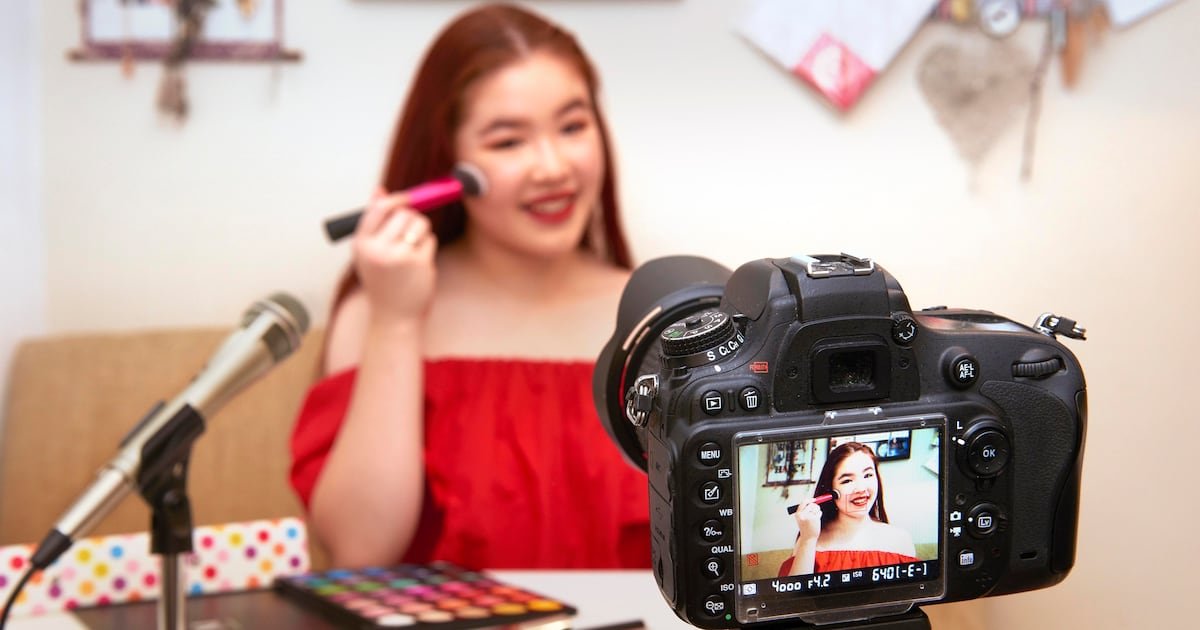
Social media beauty videos posted by influencers often don’t contain medical or dermatological advice or information.
“Skincare is not a one-size-fits-all approach. A product that works well for someone with oily, acne-prone skin may be unsuitable for someone with dry or sensitive skin,” Dr Begum explains.
“The presence of underlying conditions, such as eczema or rosacea, also needs to be taken into account. I would also advise against diagnosing and treating every rash, breakout or dark patch based on online videos. Different skin conditions can look similar but require different treatments. Identifying the actual problem is essential before choosing the right skincare approach.”
A spike in multi-step beauty routines
Viral K-beauty routines began as 10-step night-time regimens and seven-step morning routines, but 12- to 15-step methods have become increasingly popular.
Products usually include cleanser, exfoliator, toner, essence, ampoule, serum, sheet mask, eye cream, lightweight moisturiser, night cream and sleeping face pack.

Show caption: Viral K-beauty videos can encourage up to 15 products in an …
“More products do not necessarily mean better results,” says Dr Ghali. “A simple, consistent routine consisting of a gentle cleanser, moisturiser and broad-spectrum SPF 50 and 50+ or tinted sunscreen is usually enough. Additional treatments should address specific skin concerns rather than follow trends.
“One problem I encounter is the overuse of exfoliating products and potent active ingredients. Some people believe that burning, redness or peeling means a product is working, but these can actually be signs of irritation,” says Dr Ghali. “Persistent inflammation can damage the skin barrier and may worsen pigmentation, particularly in skin that is prone to post-inflammatory hyperpigmentation.”
Why you should listen to dermatologists, not influencers
“What surprised us most was how consistently basic safety information was absent,” said EADV report author, Dr Maria Lucia Paysano. “Only one of the 38 videos mentioned irritation risk, only two addressed sun protection, none mentioned contact dermatitis risk and none recommended consulting a dermatologist.”

Show caption: A study has shown how videos targeted at teens could create …
The report also noted that “nearly 82 per cent [of videos] were created by non-physician influencers, 11 per cent by beauty brands and eight per cent by other beauty content creators; none were produced by dermatologists.”
Dr Begum advises patients to introduce active ingredients gradually rather than starting several new products at once.
“This makes it easier to identify the cause if irritation develops and allows the skin time to adjust. A well-planned routine with suitable ingredients is far more useful than combining multiple products without <a s something small.”
Increasingly complex beauty routines can often give the false impression of credibility, especially when dermatological terms are used or products which include ingredients that have gone viral such as polydeoxyribonucleotide from salmon DNA, hypochlorous acid and azelaic acid.
“A 20-step routine looks serious and effortful, so the claims attached to it seem more believable,” concludes Dr Rasmi. “There’s also a commercial incentive, as influencers are likely to earn more when they promote multiple products. This isn’t necessarily deliberate deceit. Often, influencers aren’t experts and don’t fully grasp the nuances or impact of what they share. But that doesn’t absolve them, or the brands behind them, of the responsibility not to mislead.”
